What are omega fatty acids?
Fatty acids are the basic components of fats and oils utilized in livestock diets. There are two essential polyunsaturated fatty acids that cannot be synthesized by livestock and must be supplied in the diet. These include alpha-linolenic acid (ALA), an omega-3 fatty acid, and linoleic acid (LA), an omega-6 fatty acid. The term “omega” refers to the position of double bonds in these fatty acids.
Both omega-3 and omega-6 fatty acids are required for proper bodily functions. ALA and LA are critical components of cell membranes, and play important roles in immune function and overall health and performance. Omega-3 fatty acids supplied in the diet can be converted into other fatty acids such as eicosapentaenoic acid (EPA). This molecule plays an important role in anti-inflammatory and immune processes.
Linoleic acid (LA) is found in grains, byproduct feeds such as soybean meal, and most oilseeds. Alpha-linolenic acid (ALA) is found in immature cool-season grasses, legumes, and flax. Livestock diets are often rich in omega-6 fatty acids due to feeding grain and byproducts. Including a source of omega-3 helps create balance and optimizes health and productivity.
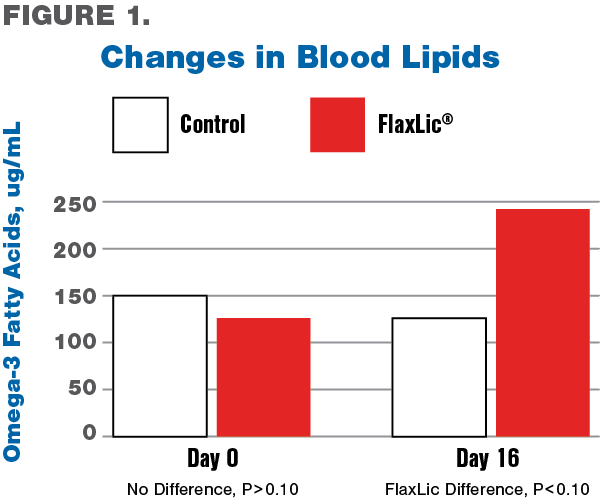
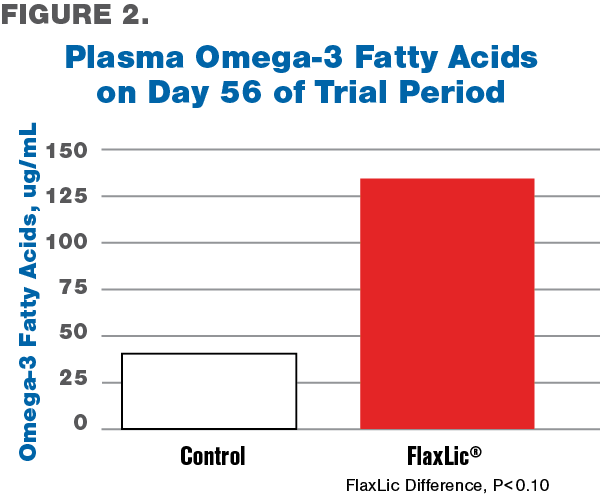
SmartLic Supplements’ FlaxLic low moisture block contains flaxseed and flax oil, both of which are rich in the omega-3 fatty acid ALA. FlaxLic contains a minimum of 7% ALA. Additionally, research conducted at Kansas State University has shown that feeding FlaxLic improves the conversion of ALA to EPA in the body compared to feeding the exact same ingredients in the unprocessed form.
Effect of omega-3’s on animal performance and reproduction
There is an increasing amount of interest in the role of omega-3 fatty acids in livestock diets. Some of the positive responses to omega-3 supplementation in the literature include:
- Improved immune function
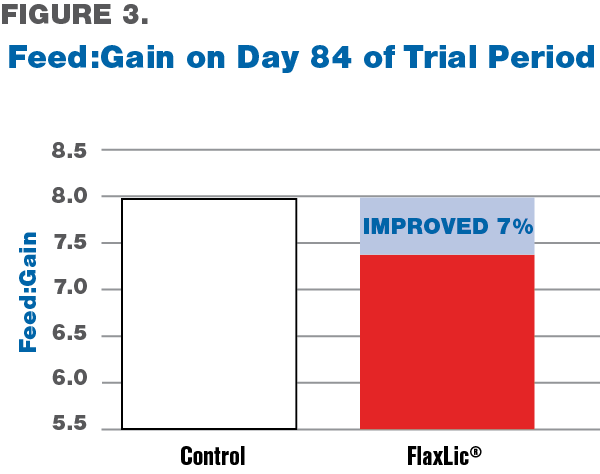
- Improved feed efficiency and gut health
- Reduced inflammation and improved cardiovascular health
- Healthy growth and development of young animals
- Improved skin and coat health
Reproductive performance is critical to the financial success of any ranch operation, whether referring to cows, sheep, or horses.
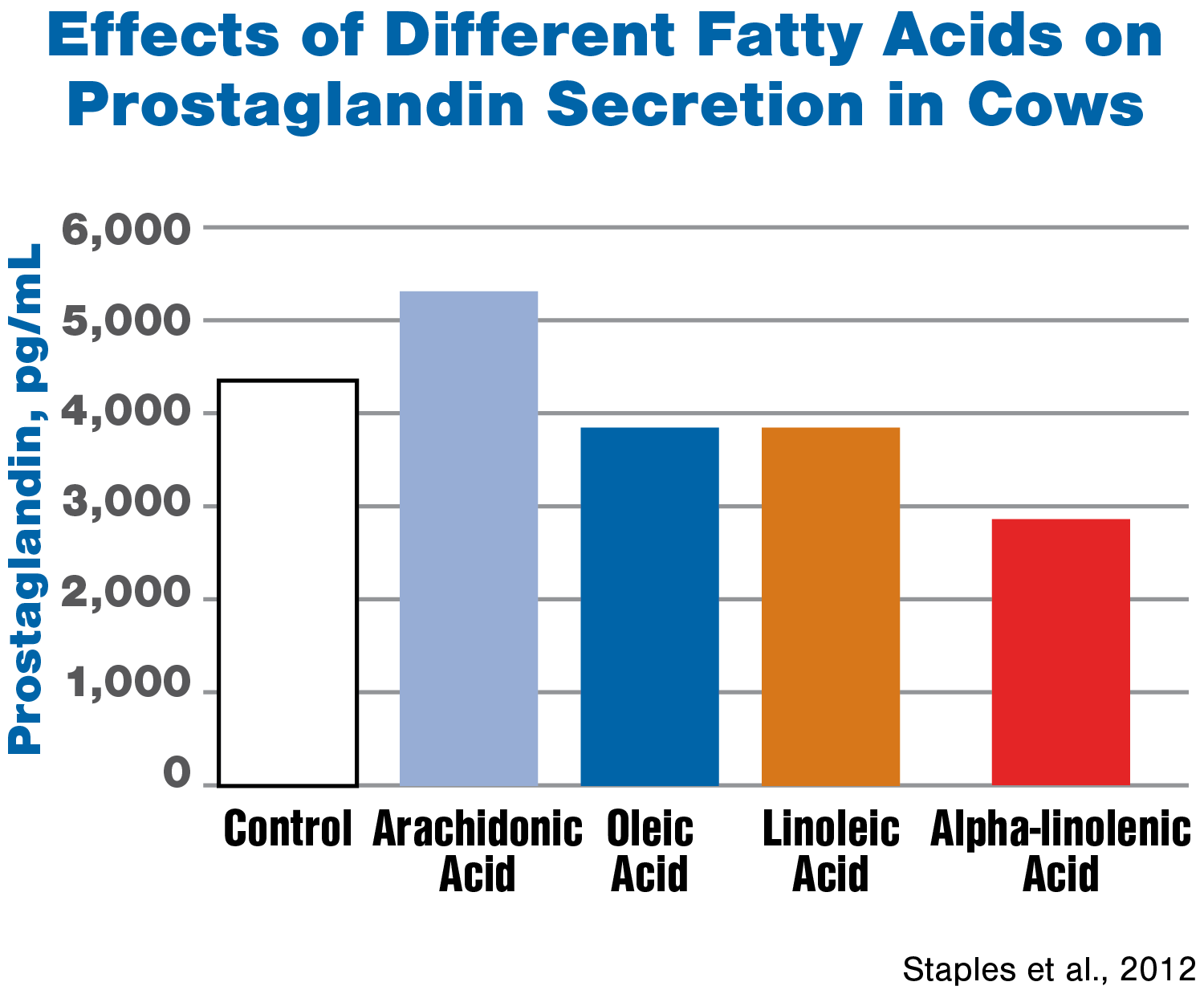
Prostaglandin is an important reproductive hormone that helps drive estrous cycles and creates an opportunity for animals to become pregnant. However, elevated prostaglandin levels can contribute to pregnancy losses. Omega-6 fatty acids have been shown to increase production of prostaglandin, while omega-3 fats decrease prostaglandin and increase progesterone, which is a hormone necessary to establish and maintain pregnancy. Omega-3 fatty acids also create an anti-inflammatory response, which helps the embryo implant into the uterine wall. Some studies have reported increased fertility rates from 10 to 20 percent as a result of decreased embryonic mortality due to omega-3 supplementation.
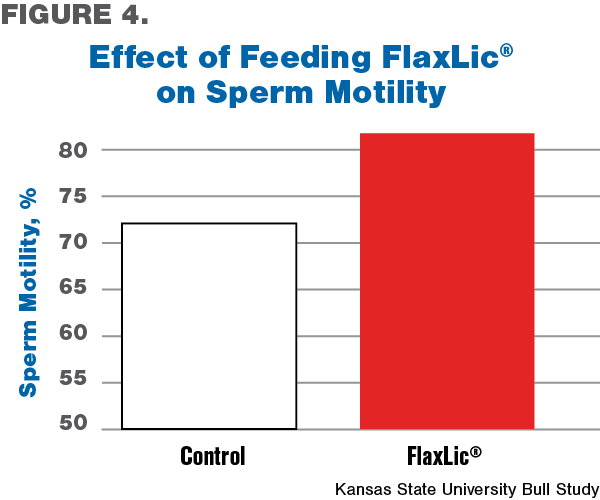
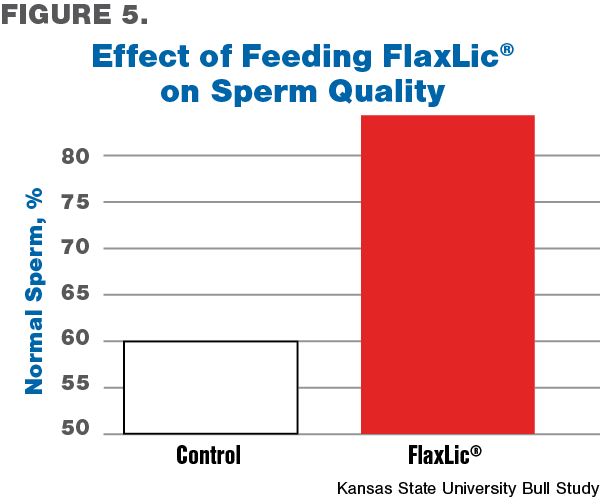
On the male side of reproduction, poor motility and presence of abnormalities in sperm are common causes of infertility. Fats are an essential component of sperm, and there is an increasing body of evidence that suggests that supplementation with omega-3 fatty acids can improve semen quality.
At SmartLic Supplements, we believe in the potential of omega-3 fatty acids to produce benefits for a variety of livestock species. The FlaxLic product line is a convenient, labor-saving way to provide these essential fatty acids. Please see below for some highlights from a few of our university research trials.