
Why Fly Control Matters
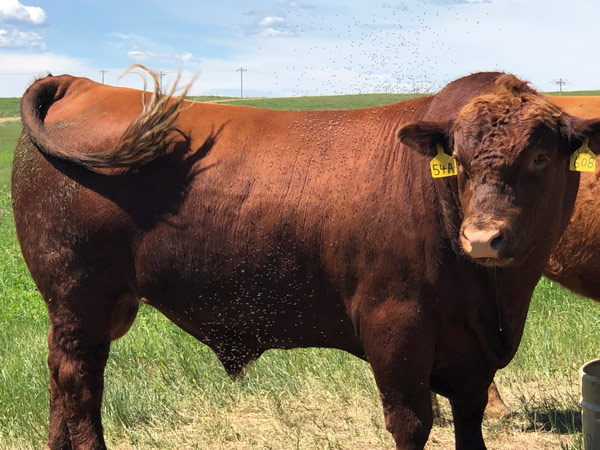
Spring is here, and with warmer weather comes fly season. Flies are a major nuisance and threat to the health and productivity of cattle. Eonomic costs of fly pressure are estimated at over $2.3 billion annually due to decreased feed intake, reduced weight gain, and disease issues such as pinkeye and summer mastitis.
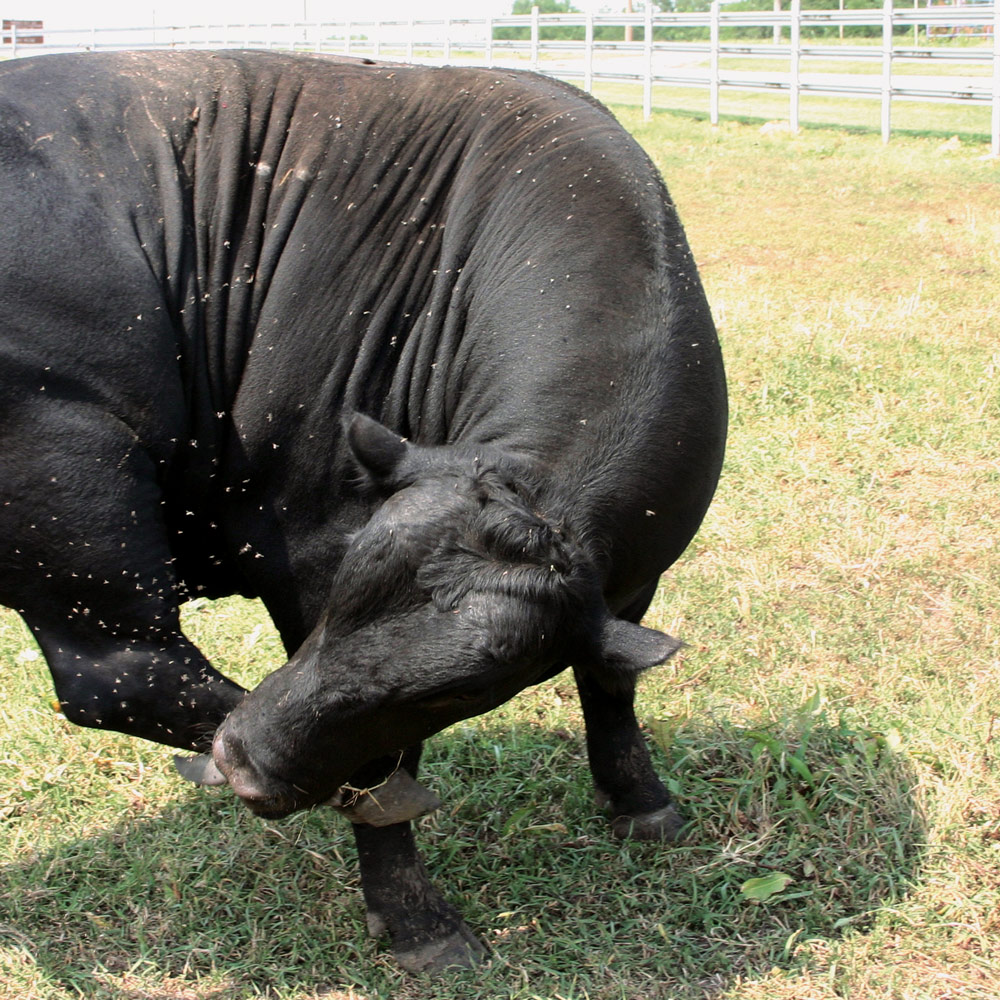
Horn flies are the most economically damaging species for livestock. Horn flies are blood feeders and may consume up to 40 blood meals per day, at an estimated 0.06 mL of blood per feeding. Large fly populations can lead to substantial blood loss. For example, 1,000 flies on a cow could consume half a gallon of blood in 30 days, which represents a significant impact on the total blood volume of approximately 10 gallons in a mature cow. Negative impacts on health and performance can occur due to blood loss and fly avoidance behavior, such as bunching, which disrupts grazing and reduces nutrient intake. The economic threshold for horn flies is around 200 flies per animal. Other fly species of concern for livestock include stable flies, face flies, and house flies.
Targeting Flies
SmartLic offers low-moisture block solutions that contain Altosid IGR or ClariFly Larvicide feed-through fly control additives to prevent fly larvae from developing in manure. These additives are not absorbed by the animal but pass through the digestive tract and are deposited in the manure.
- Altosid IGR is an insect growth regulator (IGR) that specifically targets horn fly larvae. The active ingredient in Altosid is S-methoprene, which acts like an insect hormone to prevent normal development.
- ClariFly Larvicide contains the active ingredient diflubenzuron, which inhibits the production of chitin and prevents the development of the insect’s exoskeleton. It targets all major fly species mentioned above.
For best results, fly control products should be provided for at least 30 days prior to the start of fly season, and continued until 30 days past the first frost. These guidelines ensure that the active ingredient is present in manure when flies emerge, minimizing the number of pupae that can over winter.
Additional SmartLic fly management options include tubs containing garlic, a natural ingredient for repelling flies. Garlic contains sulfur-based compounds that produce a strong aroma when released through the skin and breath of livestock. While data indicates that garlic can reduce fly pressure on livestock, it will not reduce the number of developing fly larvae like Altosid IGR and ClariFly Larvicide.
A Multifaceted Approach
The most effective control comes from a multifaceted approach. Combine feed-through products with additional tools like ear tags, back rubbers, and insecticide sprays. Additional best management practices include:
- Minimize manure piles and rotting or spoiled feed located close to livestock to reduce breeding grounds.
- Keep weeds and tall grass mowed around outbuildings to help limit the habitat of certain fly species.
SmartLic fly control and repellent options are available in protein or mineral products to complement summer grazing programs and provide adequate levels of fly control to keep cattle healthy and productive.
*Altosid® IGR and ClariFly® Larvicide are Registered Trademarks of Central Life Sciences.