
The hidden costs of inadequate nutrition in cow-calf herds
In a time when calves are bringing top dollar, inadequate nutrition in a cow-calf herd risks negative impacts on growth, health, reproduction, and profit.
Performance in beef cattle is often defined by weight gain, calf crop percentage, and milk production measured as weaning weight. “Energy, protein, vitamins, minerals, and water comprise the nutritional fuel which drives animal performance,” said Dr. Paul Davis, Director of Research and Nutrition, New Generation Supplements. “When nutrition is inadequate and animal requirements are not met, performance is reduced or stopped until adequate nutrition is provided.” Davis recalls a respected animal scientist’s advice to cattlemen: “No matter what the calves are bringing in the marketplace; the nutritional requirements of the cow don’t change.”
When nutritional input costs appear high, the tendency is to go into cost-saving mode and cut back on purchased feed and supplements, often resulting in insufficient energy and minerals. However, such a strategy is not viable as animal performance will suffer. “It’s cheaper to keep an animal in good condition than at lowered production or no production,” emphasized Davis
Davis outlines the following production factors that are at risk when a cow-calf herd doesn’t receive adequate nutrition:

Growth
Growth of weaned calves and first-calf heifers will decrease in a situation of insufficient energy. Calf growth, as it is influenced by cow milk production, is directly affected by the energy content of the lactating cow’s diet. Milk is a source of calories (energy) for the growing calf prior to weaning.
“Cows must consume a certain amount of energy in order to produce milk at a given level,” emphasized Davis. When insufficient energy is provided, milk production either drops, or the cow begins to use body reserves to continue producing at a relatively consistent level. This is unsustainable and will also have detrimental effects on calving intervals and other reproductive parameters.
Reproduction
Reproductive efficiency is said to have the greatest effect on the profitability of a cow-calf operation. Nutritional status of the cow is directly reflected in weaning weights, calves weaned per cow exposed, and calving interval. Inadequate mineral nutrition may adversely affect pregnancy rates in cows.
“Often, cows that are consuming insufficient energy and may be losing weight don’t cycle and rebreed as soon after calving as producers would like,” said Davis. In such an instance, the cow receives biological feedback from her environment that says that conditions are not favorable to cycle, rebreed, and take on ‘another mouth to feed’. When this occurs, breed back is delayed; calving interval is increased, and calving seasons become longer.
Animal Health
Immunity and overall animal health are greatly influenced by nutrition. Trace minerals such as copper, zinc, and selenium play numerous roles in enzymes, co-factors, and immune function. Cattle with adequate mineral status are better able to respond to vaccines and have a better chance of building an immune response when faced with potential diseases. Clinical illness is often a drain on amino acids, making adequate dietary protein important for preventing and fighting off illnesses.
In addition, weak, emaciated, malnourished animals may be more susceptible to injury as well as illness. Mineral nutrition affects bone density, bone health, skin integrity, hoof health, and hardness. “Given those effects, adequate nutrition for the life of the cow may afford her another year in the herd. Considering the cost of replacement heifers and the value of feeder calves, it is economically advantageous to keep cows in the herd as long as they are sound and productive,” said Davis.
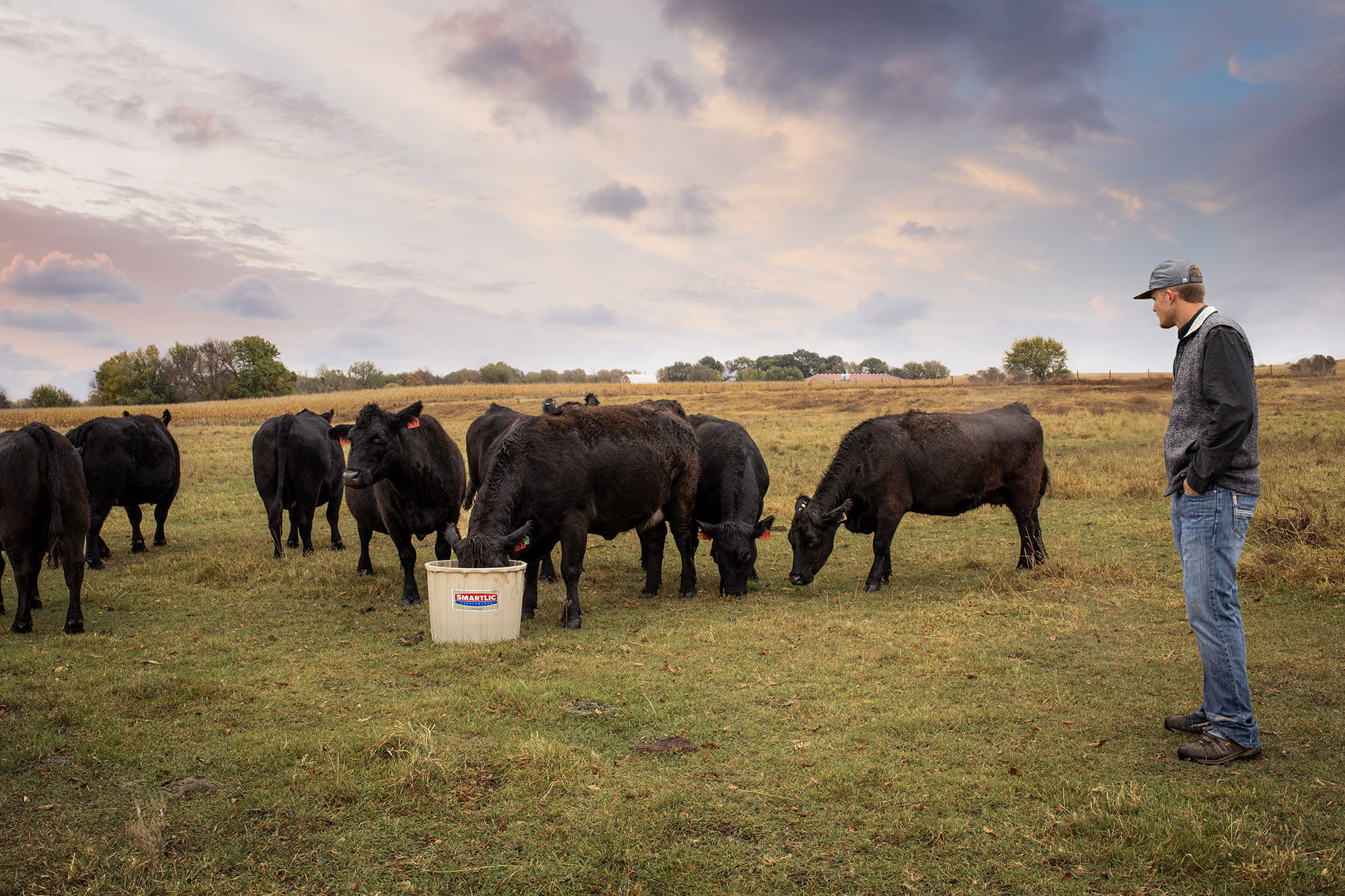
Providing targeted supplementation is essential to address the cow’s nutritional needs, meet production goals, and optimize performance of the calf crop, all of which contribute to increased return on investment and overall profitability. Smartlic® low-moisture supplements are designed to support reproductive performance, improve the digestibility of low-quality forages for cows on pasture, and help fulfill nutritional requirements impacting milk production, animal health, and immunity.