
Most cow-calf producers rely on forage for the majority of their feed needs. Digestion and metabolism of nutrients in ruminant diets depend heavily on creating an ideal habitat for rumen microbes. Rumen bacteria and protozoa use true protein and non-protein nitrogen (NPN) to create microbial protein, which the host animal utilizes for maintenance, growth, health, reproduction, and lactation. These microbes also ferment carbohydrates to produce volatile fatty acids (VFAs), which serve as the primary energy source for the cow.

Dormant native range and poor-quality hay are often low in rumen degradable protein (RDP). High cell wall content and low crude protein can reduce nutrient availability in these forages. Research indicates rapid declines in forage intake as crude protein content falls below 7%. When degradable protein requirements in the rumen are not met, diet digestibility and passage rate of particles through the digestive tract decrease. As a result, dry matter intake can be limited due to physical fill rather than forage availability.
If forage quantity is not limited, a deficiency of nitrogen in the rumen can be the primary factor influencing microbial activity. SmartLic protein supplements help create an optimal fermentation environment, increasing digestion and utilization of forage. The molasses in SmartLic tubs serves as an energy source and works in conjunction with the protein provided by plant sources and/or NPN to increase microbial efficiency. Increases in digestibility and intake of forage improve overall nutrient status and help cows maintain productivity and body condition. To achieve success with winter feeding programs, don’t forget to feed the microbes.
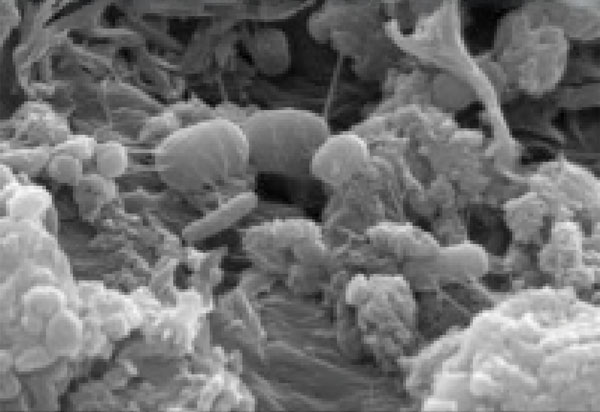
These electron microscope images from Kansas State University show how SmartLic Supplements improve fiber digestion by increasing microbial activity.
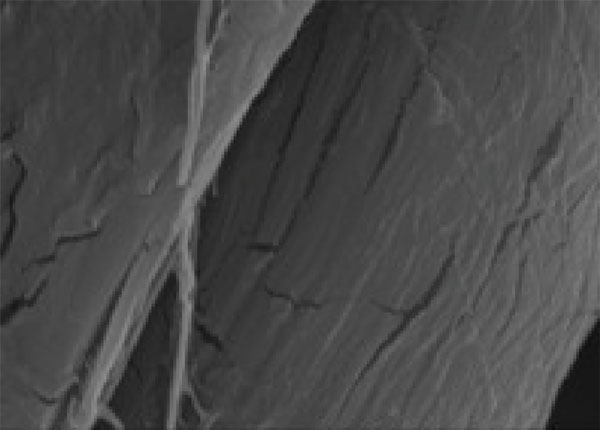
Cellulose paper before rumen incubation
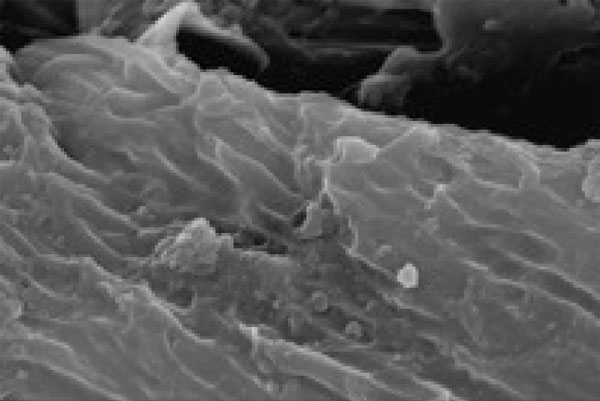
Cellulose paper incubated for 14 hours in unsupplemented animal fed poor-quality prairie hay